
Play to move: A mixed-methods prospective observational study of exergaming versus traditional exercise interventions in children with Down syndrome
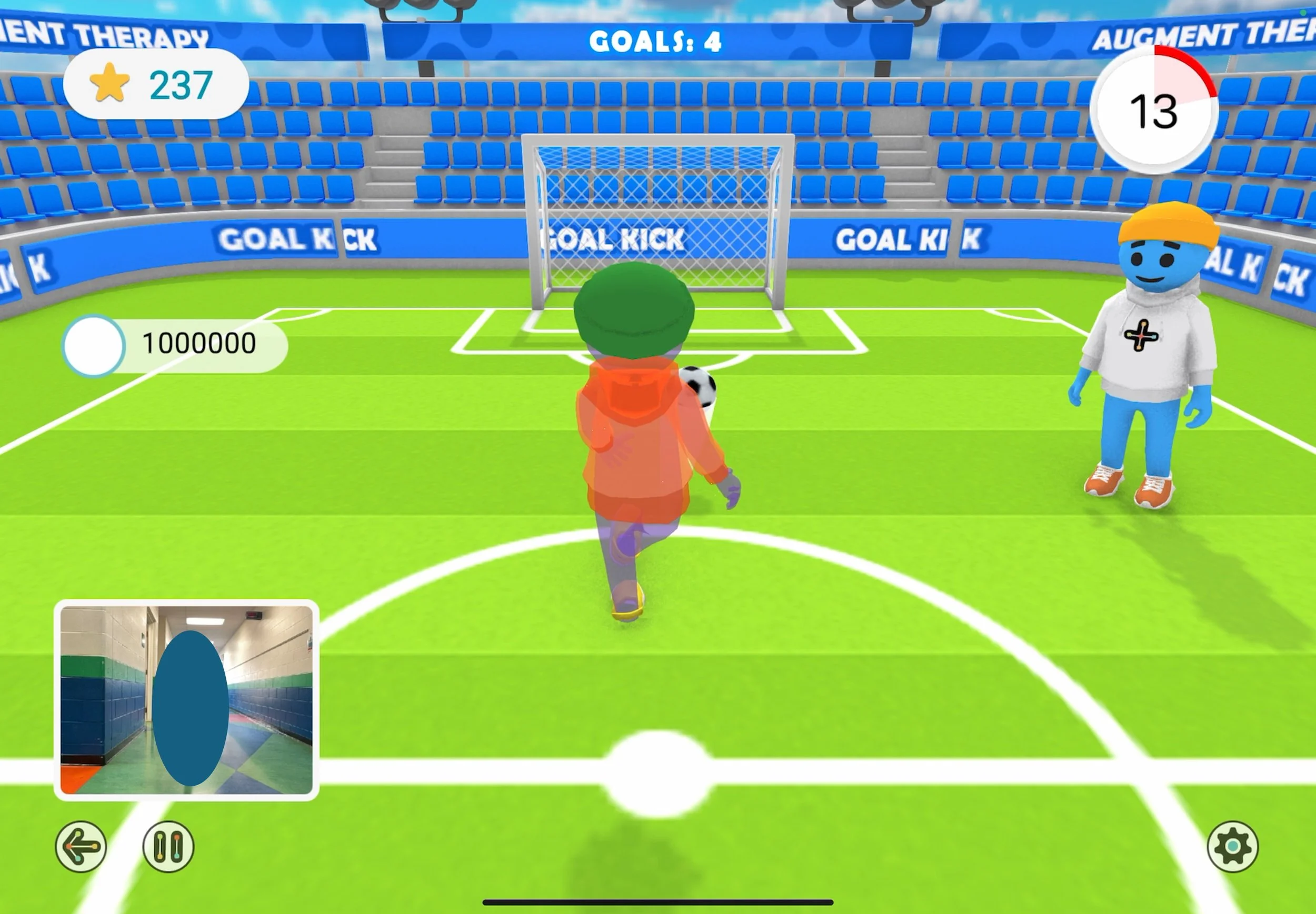
In a study with children with Down syndrome comparing ARWell and traditional paper handout exercises, 3 main themes emerged:
Once novelty-driven motivation wore off, sustained session duration remained - suggesting that once participants started a session, they were motivated to keep playing
Paper materials suggesting physical activity can help serve as a reminder, but is not motivating enough by itself
Activity preferences impact engagement - strong preferences for straightforward activity design
Abstract
Objective
Children with Down syndrome often face challenges associated with physical activity engagement and motor skill development. This study examined the effectiveness of an augmented reality exergaming application compared with that of traditional paper-based exercise recommendations for promoting physical activity in children with Down syndrome.
Methods
Using a mixed-methods design, this prospective, observational study investigated the experiences of participants in a 6-week exercise intervention by comparing the effectiveness of an exergaming application (n = 3) with the provision of a paper handout with recommended exercises (n = 2). Five children with Down syndrome participated in the study, with physical assessments conducted pre- and post-intervention via telehealth, weekly interviews, and activity tracking.
Results
Thematic analysis revealed that the exergaming application provided initial novelty and motivation that decreased over time; however, session duration increased. Paper handouts served as reminders but not motivators. Participants preferred activities involving upper-body movements over more challenging, whole-body movements, and familiar, simplified movements over novel complex tasks. All application group participants demonstrated improvement in the 2-min step test.
Conclusion
Exergaming may help improve physical fitness in children with Down syndrome; however, it requires specific design considerations to sustain long-term engagement and activity initiation.